
There are songs you listen to, and there are songs you experience.
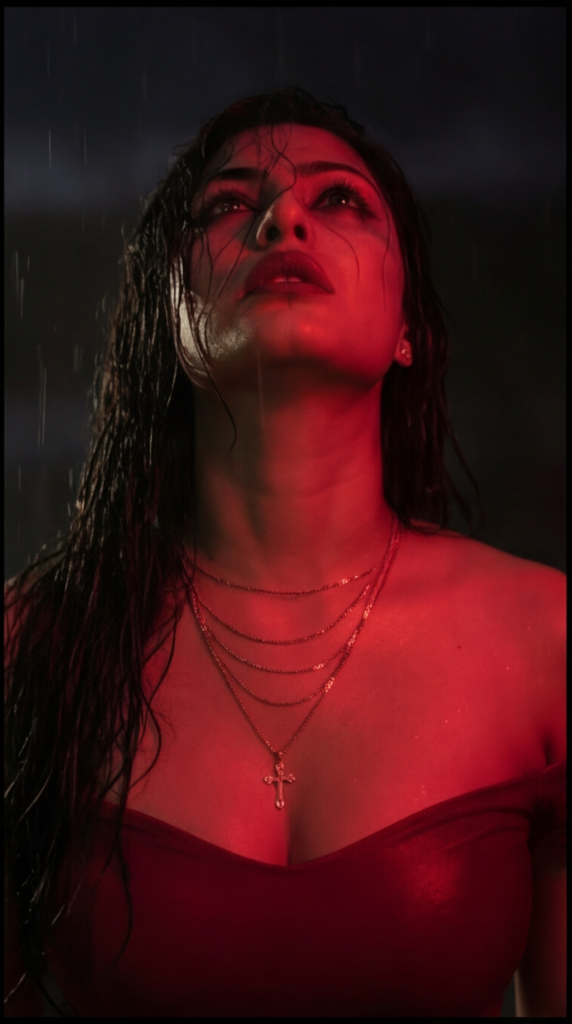
SED8’s upcoming release, “S.A.”, belongs firmly in the second category.
When you press play, you aren’t being offered a comfortable story wrapped neatly in metaphor. You are being confronted with the fear, violation, helplessness, anger and aftermath that can accompany sexual assault. It is raw by design. Uncomfortable by design. And ultimately, empowering by design.
For SED8, music isn’t simply entertainment. It is a language for the experiences that are often too painful, complicated or confronting to say out loud.
And with “S.A.”, that language becomes impossible to ignore.
When a song becomes more than a song
You can hear immediately that “S.A.” wasn’t created simply to shock. Its lyrics take you into the psychological reality of trauma.
“Said be quiet or it’ll hurt”
“I tried to fight but it got worse”
The words don’t romanticise what happened. They don’t soften it. They don’t shift responsibility onto the survivor.
Instead, they force you to confront something that survivors are too often forced to confront themselves: the difference between what happened to you and what you were made to believe about what happened to you.
That distinction matters.

Throughout “S.A.”, SED8 explores the devastating aftermath of sexual assault—the shame, self-blame, fear, dissociation and feeling of being permanently damaged.
Then comes the line:
“You chose to rape me”
It is confronting because it is supposed to be. There is no ambiguity about where responsibility belongs.
The perpetrator chose. The survivor did not.
That message sits at the heart of the song.

From silence to survival
As you move through the song, the narrative begins to shift.
The earlier lyrics place you inside the experience of terror and helplessness. But by the bridge and final section, something changes.
“You hoped I forgot your name”
“No I am not afraid”
“Won’t keep your crime unnamed”
The survivor is no longer simply recounting what happened.
She is reclaiming her voice.
And then comes the declaration:
“I survived”
“I survived you”
That distinction is powerful. The song doesn’t end with what was done to her.
It ends with who she became after surviving it.
For anyone who has experienced trauma, that shift can carry enormous emotional weight. Healing isn’t always linear. Sometimes survival looks like speaking. Sometimes it looks like creating. Sometimes it looks like finally saying, “It wasn’t my fault.”
Sometimes it looks like turning something that once silenced you into something the world can hear.

Why music can matter in conversations about mental health
When you think about mental health, you might immediately think about therapy, counselling, diagnosis or treatment. But emotional expression can take many forms.
Music can help people articulate feelings they don’t yet have words for. It can create recognition. It can provide a sense of connection. And sometimes, hearing another person put an experience into words can make you feel less alone.
That is particularly significant when you’re dealing with trauma. You might not be ready to tell your story. You might not even fully understand your own feelings yet.
But you might hear a lyric and think:
“Someone understands.”
That doesn’t mean a song replaces professional support. It doesn’t.
What music can do is create an emotional doorway. It can start a conversation. It can validate an experience.
And it can remind you that your story doesn’t have to remain trapped inside your head.
That is part of what makes SED8’s work so compelling.
The woman behind SED8
SED8 isn’t approaching these themes from a purely artistic distance.
Alongside her work as an artist, Shalina is a counsellor and criminologist, with professional experience centred around trauma, domestic violence, coercive control and other difficult areas of human experience.
That intersection gives her music a particular depth. You’re not simply hearing someone write about trauma because it happens to be a dramatic subject.
You’re hearing an artist who has spent years engaging with the psychological, social and human consequences of trauma—and who has chosen music as another way to give those experiences a voice.
That matters.
Because when you’re creating music about sexual assault, domestic violence or trauma, there is a responsibility in how you tell the story.
“ S.A.” doesn’t make the perpetrator the hero.
It doesn’t make the trauma glamorous. And it doesn’t ask the survivor to carry the shame.
Instead, it asks you to look directly at what happened and ask a much harder question:
Why should the person who was harmed be the one carrying the shame?
A song for survivors—but not only survivors
If you’ve experienced sexual assault, “S.A.” may hit differently.
Some lyrics may feel painfully familiar. Some may bring emotions you haven’t allowed yourself to feel.
Some may simply make you feel seen. But you don’t have to be a survivor to understand the message.
You can listen as an ally. As a friend. As a partner. As a parent. As someone trying to understand what trauma can actually look and feel like beyond statistics and headlines.
And perhaps most importantly, you can listen and walk away understanding one message:
It was not their fault.
Why meaningful music deserves meaningful promotion
A song this personal shouldn’t disappear into the endless stream of new releases. But getting meaningful music heard isn’t simply about accumulating numbers.
It’s about finding the right listeners. The people who will stop scrolling. The people who will actually listen.
The people who will save the song, share it, talk about it and remember the artist behind it. That philosophy is particularly relevant to music promotion today.
Playlist Pump positions its work around connecting artists with audiences through targeted promotion, playlist networks and broader digital strategies, while explicitly stating that it does not use bots or artificial methods for campaigns. It also emphasises transparency, reporting and helping artists make informed decisions about their careers.
For an artist like SED8, that matters. Because the objective isn’t simply to make “S.A.” look successful on paper.
The objective is to put the song in front of people who might genuinely connect with it. Playlist Pump’s approach recognises that independent artists are putting something deeply personal into the world. Its own messaging acknowledges the vulnerability involved in putting yourself and your story on the line, while positioning promotion as a way of helping artists build meaningful connections with listeners.
And that is exactly the kind of environment a song like “S.A.” needs.






You don’t have to stay silent
When you reach the final lyrics, the song has travelled a long way from the fear of its opening.
You hear:
“The world will hear me speak your name”
“Look at me when I speak your name”
And suddenly, the song isn’t only about what happened.
It’s about refusing to disappear because of what someone else chose to do. It’s about survival.
It’s about reclaiming a voice. It’s about challenging shame. And it’s about remembering that what happened to you does not get to become the entirety of who you are.
“S.A.” is SED8 turning silence into sound.
And when you listen, you are not simply hearing a song.
You are hearing someone say:
I survived.
And sometimes, that is exactly what someone else needs to hear.
Follow SED8
You can follow SED8 and continue the conversation through her social platforms:
- Instagram — @counsellorshalina
- Facebook — Counsellor Shalina Lodhia
- TikTok — @counsellorshalina
- LinkedIn — Counsellor Shalina Lodhia
- YouTube — SED8 Official
- Spotify — SED8
“S.A.” by SED8 — releasing 26 August 2026. Pre-Save Now!