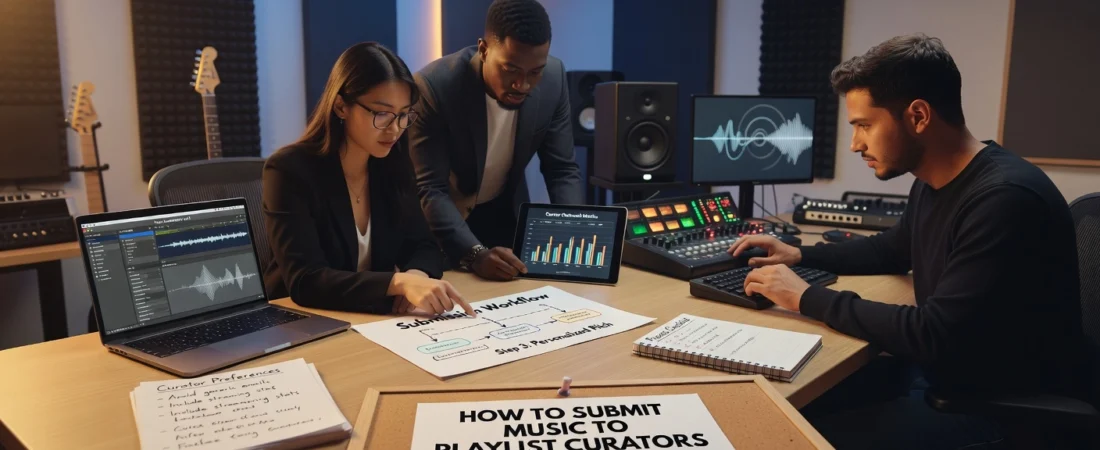
Imagine waking up to notifications that your latest track has exploded onto a Spotify playlist, racking up thousands of streams overnight. For independent artists, this is not just a fantasy. It is a reality waiting to happen. The secret? Effective playlist curator submission. As a beginner, you might feel overwhelmed by the process, but with the right strategy, you can stand out in a sea of submissions and land spots on influential playlists that propel your career.
Playlist curators receive hundreds of tracks daily. They seek fresh, high-quality music that fits their vibe perfectly. Submitting haphazardly wastes your time and annoys them. Instead, follow proven methods to craft pitches that demand attention. In this comprehensive how-to guide, you will discover step-by-step instructions tailored for newcomers. Learn how to research the right curators, prepare professional submissions, personalize your pitches, and avoid common pitfalls that lead to instant rejections.
By the end, you will have a repeatable system to submit music confidently and increase your chances of playlist success. Whether you are dropping your first single or building your catalog, these authoritative insights will equip you to navigate the industry like a pro. Ready to get your music heard? Dive in and start submitting today.
Prerequisites for Playlist Curator Submissions
Before embarking on playlist curator submissions, master these essential prerequisites to maximize your chances of acceptance. Curators, whether editorial or independent, prioritize professional tracks and credible artists. Skipping these steps often leads to instant rejections, as low-quality elements undermine your pitch. At Playlist Pump, we see firsthand how polished preparations lead to higher placement rates, boosting streams and visibility.
1. Master Your Track to Professional Standards
Ensure your audio meets industry benchmarks, targeting -14 LUFS integrated loudness for Spotify compliance. This standard, per Spotify’s normalization, prevents clipping, distortion, or awkward volume shifts in playlists. Use tools like iZotope Ozone or eMastered to hit -14 LUFS with a true peak under -1 dB; aim for dynamic range above 8-10 LU to retain punch. Curators reject subpar masters immediately, as they disrupt playlist flow. For example, a pop track mastered at -8 LUFS gets auto-reduced, sounding dull next to pros. Test on multiple devices, including earbuds, for optimal stereo imaging. Data shows professionally mastered tracks achieve 25-40% higher completion rates, fueling algorithms (How to Get on Spotify Playlists).
2. Claim and Optimize Your Spotify for Artists Profile
Verify your profile via Spotify for Artists within days of your first release. Upload high-res photos (profile pic at 300×300 pixels minimum, genre-themed header), a compelling 1,500-character bio with keywords like “indie folk innovator,” and verified links to Instagram and TikTok. Add Artist Pick for your latest track and enable Canvas for 30-second loops. This builds instant credibility; curators check profiles before approving. Optimized profiles see 22% merch uplifts and 70% event engagement spikes. Beginners often overlook this, missing algorithmic boosts.
3. Time Submissions at Least 7 Days Pre-Release
Follow Spotify guidelines: pitch editorial playlists via Spotify for Artists 7+ days before release to qualify for Release Radar and Discover Weekly. Optimal is 14-28 days for review cycles, doubling odds per 2,400 campaigns analyzed. Independents prefer 2 weeks early too. Midweek pitches (Tuesday-Thursday, 10 AM curator time zone) yield better responses. Consistent releases every 4-6 weeks compound data for sustained growth (Spotify Playlisting Strategy 2026).
4. Research Genre-Matched Playlists
Use Chartmetric or SpotOnTrack to identify active playlists with 10k+ followers, recent updates, and 1% listener-to-follower ratios (bot-free signal). Search “lofi study beats” or check “Discovered On” for similar artists. Export daily curator contacts; target 10 precise fits over 100 generics. For instance, a hip-hop track on a 50k-follower “Chill Rap” list drove 1,500+ streams per placement (How to Pitch to Spotify Playlists 2026).
With these foundations, your Playlist Pump submission will stand out, setting the stage for successful curator connections.
Pitching to Official Editorial Playlists
Pitching to Spotify Editorial Playlists
Access your Spotify for Artists dashboard at artists.spotify.com to unlock the exclusive Pitch a Song feature, the official gateway for submitting unreleased tracks to editorial playlists like New Music Friday. Claim your profile if you have not already, then navigate to Music > Upcoming, select one unreleased song from an upcoming release, and complete the form. Include precise details such as up to three genres (opt for micro-genres like “indie-pop with 80s synths”), mood (e.g., “energetic heartbreak”), style or instruments, and a compelling song story in the 500-character limit. Craft a pitch like: “This upbeat indie track fuses modern lyrics with retro vibes, inspired by a cross-country tour; perfect for New Music Friday’s fresh energy.” Submit at least seven days before release, ideally 31-40 days early, to qualify for Release Radar and boost editorial consideration.
Target regional variants first, such as New Music Friday UK or France, for significantly higher success. According to Wiseband’s analysis of 800 pitches, these achieve 19% better rates than global lists due to lower competition and cultural fit. Pitch early with elements like Spotify Canvas visuals and prior momentum proof to maximize odds.
Apple Music and YouTube Artist Portals
For Apple Music, log into musicconnect.apple.com via your admin role, head to the Marketing tab, and create a new pitch with mood, genre, territories, and promo plans. Aim for at least 10 days pre-release to hit over 50 top editorial lists like New Music Daily. YouTube lacks a direct portal, so optimize artists.youtube.com with consistent video releases, encouraging saves and watch time to signal editors for playlists like Pop Hotlist.
Spotify reports a 20% editorial placement rate from pitches, with over 72,000 artists featured this way. Track via your dashboard’s pitch status and playlist monitoring; placements can multiply streams 3-8x while fueling algorithms. Beginners see strong results by pitching consistently every 4-6 weeks across platforms for multi-platform exposure.
Submitting via Third-Party Platforms
SubmitHub: Affordable Pay-Per-Review Access
Begin your playlist curator submission journey with SubmitHub, the go-to platform for beginners offering pay-per-review access to over 1,800 quality-checked Spotify playlist curators among thousands of total contacts across streaming services. Priced at $1-5 per submission depending on curator tier, it guarantees feedback within 48-72 hours regardless of acceptance, helping you refine pitches based on real curator insights. To get started, create a free account at SubmitHub, purchase credit packs starting at around $10 for 10 submissions, and upload your unreleased track with a compelling bio and genre tags. Filter curators by playlist size, genre match, and response rate using their AI tools, then submit to 10-20 targets for a low-risk test run. Expect 10-29% approval rates for strong indie tracks, far surpassing the 1-5% direct indie averages, with data showing 46.6 million total submissions processed and recent monthly approvals at 29% playlist pitching success rates. Artists often see 1,000+ streams from a single placement, making it ideal for budgets under $50.
Playlist Push: Premium Vetted Campaigns
For higher-impact results, turn to Playlist Push, which specializes in vetted, campaign-based pitches to organic playlists delivering 1,500+ streams per placement on average. Costs range from $20-60 effectively per submission within broader campaigns starting at $285, targeting curators verified for real followers and engagement via AI matching like Playlist DNA. Sign up, submit your track details including pre-save links, set your budget and goals, then review live dashboards tracking adds and views across 3,300+ curators including TikTok. This structured approach yields 32% acceptance rates, with 10-20 adds per campaign boosting algorithmic visibility. Beginners benefit from their support team guiding genre selection, ensuring placements on high-engagement lists with millions of followers playlist pitching strategies. Outcomes include sustained stream growth, perfect for releases with proven social traction.
Free and Low-Cost Alternatives: PitchPlaylists and Groover
Explore free options like PitchPlaylists for one-click submissions: upload your track, auto-match to curators, and send instantly without credits, though feedback varies. For more structure, use Groover’s genre-specific pitches at €2-4 per submission to 3,000+ curators, guaranteeing 7-day feedback and 20-35% acceptance on fits. Compare indie rates across platforms at 10-32% versus 1-5% direct, prioritizing organic metrics. Start with 5-10 free pitches weekly, track responses, and scale to paid for better targeting.
Playlist Pump: Guided Intermediary for Beginners
As a beginner-friendly intermediary, Playlist Pump matches you with tailored curator networks via their contact form, handling pitches for optimal placements without DIY hassle. Ideal when self-submissions overwhelm, they leverage partnerships for genre-aligned boosts. Contact them for custom packages, expect guided strategies yielding visibility gains, and combine with direct tools for hybrid success. This service streamlines your path to streaming success.
How to Craft a Winning Pitch
Crafting a winning pitch elevates your playlist curator submission from overlooked spam to a compelling invitation. Curators sift through thousands of emails weekly, with generic blasts yielding under 5% response rates, while personalized ones boost replies by 5-10x. Focus on these four steps to stand out, drawing from current best practices that have helped artists secure placements yielding 1,000-10,000 streams each.
1. Personalize with Name, Playlist, and Track Fit Address the curator by name (e.g., “Hi Sarah”), name their playlist (e.g., “Chill Vibes”), and explain the fit using similar artists they’ve featured. For instance, “Your recent add of Tame Impala’s dreamy synths aligns perfectly with my track’s hazy indie pop layers.” Research via Instagram or playlist histories first; this avoids rejection and shows genuine fandom. Listen to the playlist fully to spot vibe matches, like mood or energy.
2. Keep It Concise: 3-5 Sentences Max Limit to 150 words: hook with fit, add bio snippet (“Rising electronic producer, 20k monthly listeners”), release date (pitch 7-14 days early), and Spotify/pre-save link. Attach a waveform visual via Canva for quick scans; curators decide in 30 seconds. Example: “Hi Sarah, ‘Echo Drift’ captures Chill Vibes’ late-night essence like Tame Impala. Releasing [date], here’s the pre-save: [link]. Waveform attached.”
3. Highlight Unique Selling Points Spotlight traction like “300+ TikTok user videos” or “15k streams in week one, 4% save rate.” Curators crave fresh content with organic signals; playlist pilot templates show this doubles engagement. Tie to their list: “TikTok virality fits your emerging indie focus.”
4. Leverage Daily-Updated Contact Lists Use Artist.Tools’ 65,000+ verified Spotify curator emails/Instagrams, refreshed every 24 hours, for DM outreach. Pair with platforms; send polite follow-ups after 7-10 days. At Playlist Pump, we refine these pitches through our networks for optimal curator matches.
Follow these, and expect 10-25% responses on targeted sends, fueling algorithmic gains.
Follow-Up Strategies and Tracking
After submitting your track for playlist curator submission, effective follow-up and tracking turn one-time efforts into sustained success. As a beginner, patience and precision are key; curators review dozens of pitches weekly, so strategic persistence boosts response rates by up to 40%.
1. Master Polite Follow-Ups
Wait 7-10 days after your initial pitch, then send one concise follow-up via the exact same channel (email, DM, or form). Reference your original submission specifically, e.g., “Following up on my pitch for ‘Track Name’ to your Indie Vibes playlist, submitted on [date]. Loved your recent add of [similar artist]!” Keep it 2-3 sentences, personalized, and spam-free. This etiquette respects busy curators and can double replies, per insights from over 2,200 curators (what playlist curators look for). Never chase beyond once.
2. Monitor Placements Diligently
Use Spotify for Artists analytics to track playlist adds, stream sources, and spikes (e.g., sudden 1,500+ streams signal a placement). Supplement with tools like Soundcharts for cross-platform monitoring of 7M+ playlists, spotting removals or long-tail growth. Check weekly for saves over skips (>30% completion boosts algorithms). Expected outcome: Identify top curators driving followers.
3. Dodge Pitfalls with Hybrid Tactics
Skip post-release pitches (Spotify rejects them outright) and unvetted bots risking bans. Instead, hybridize: Pitch alongside releases every 4-8 weeks to fuel Discover Weekly. Log every submission in a simple spreadsheet (columns: platform, curator, date, response, streams gained). Quarterly reviews refine targets, e.g., prioritize responsive indie lists. At Playlist Pump, we streamline this for optimal results.
4. Refine and Repeat
Actionable insight: Patterns from 3-5 tracked pitches reveal winners, lifting future success from 1-5% to 20%+ (how to pitch playlists).
2026 Trends and Pro Tips
Target Niche Mood-Based Playlists with AI Analyzers
In 2026, shift your playlist curator submissions to hyper-specific, mood-driven lists like “lo-fi for studying” or “indie drives on rainy days,” as broad genre playlists fade due to Spotify’s aggressive crackdowns on fake streams and low-engagement content. These niche playlists, often with 5,000 engaged listeners, outperform massive inactive ones by boosting saves and replays, key signals for algorithms. Start by uploading your track to an AI music analyzer to generate tags for mood, BPM, and subgenre; then search platforms for matching active curators. Actionable steps: 1) Analyze your track pre-release. 2) Identify 40-50 curators via daily-updated directories. 3) Personalize pitches highlighting the fit, such as “This dreamy track aligns with your late-night study vibes.” Expect 2-3x higher acceptance when targeting engaged audiences, per recent data showing sustained interaction trumps volume. For details, see Spotify playlist trends in 2026.
Combine Submissions with Algorithmic Plays for 20%+ Save Rates
Pair curator pitches with strategies to hit 20%+ save rates from new listeners, unlocking Discover Weekly and Release Radar placements. Build 48-hour post-release momentum through fan pre-saves and social shares to funnel into algorithmic tests. Steps: 1) Pitch independents 2 weeks early. 2) Mobilize 100+ fans for immediate streams and saves. 3) Track metrics like 55%+ completion rates. Campaigns achieving this see 300-1,000% listener growth via spillover.
Expand to Multi-Platform Curators
Diversify beyond Spotify to YouTube Music and Apple Music, where indie placements rise with cross-platform saves boosting all algorithms. Target YouTube via curator outreach for watch-time gains; pitch Apple 3-4 weeks pre-release through distributors. Steps: 1) Optimize profiles on each. 2) Use mood tags for pitches. 3) Monitor “Discovered On” data.
Leverage Playlist Pump for Vetted Networks
When DIY playlist curator submissions yield just 1-5% success, turn to Playlist Pump for access to 2,500+ vetted curators and 40M listeners. Their campaigns deliver 7-20k organic streams with 20-40% retention, often triggering algorithms. Contact via their form for tailored packages, ideal for beginners seeking reliable growth. Track market shares here.
Actionable Takeaways to Land Placements
To land placements through playlist curator submission, follow these actionable steps as a beginner.
- Optimize your Spotify for Artists profile today. Claim your artist page, upload high-res artwork, write a compelling bio with genre tags, and enable pitching. This prepares you for immediate editorial submissions at least 7 days pre-release, unlocking Release Radar exposure. Track listener data weekly to identify peak demographics for targeted pitches.
- Test 10-20 submissions on SubmitHub or similar platforms. At $1-5 per review, gauge feedback affordably from 1,800+ curators. Analyze responses: refine hooks if rejection rates exceed 95%, focusing on genre matches. Expect quick insights to boost future acceptance.
- Schedule consistent releases every 4-8 weeks with hybrid promo. Pair playlist pitches with TikTok teasers and algorithmic triggers like 20% save rates for Discover Weekly. This amplifies single placements into sustained streams, yielding 1,500+ per spot.
- Contact Playlist Pump for expert matchmaking when scaling. Our networks connect you to vetted curators; track weekly progress via dashboards for growth.
Realistically, anticipate 1-5% indie success initially, scaling to 20% editorial with data tweaks and persistence. Start now for compounding results.
Conclusion
In summary, effective playlist submissions hinge on four key takeaways: researching curators meticulously to target the right vibe, preparing high-quality tracks with professional assets, personalizing pitches to build genuine connections, and avoiding pitfalls like generic emails or poor follow-ups.
This guide delivers proven, beginner-friendly steps that cut through the noise and position your music for success. The value is immense: landing playlist spots can skyrocket streams, attract fans, and launch your career.
Take action today. Pick one curator from your research list, refine your pitch, and submit with confidence. Your breakthrough moment is just one strategic submission away. Start now, and turn that dream notification into reality.